
The Hidden Environmental Cost of Conventional Laundry
9th October 2025
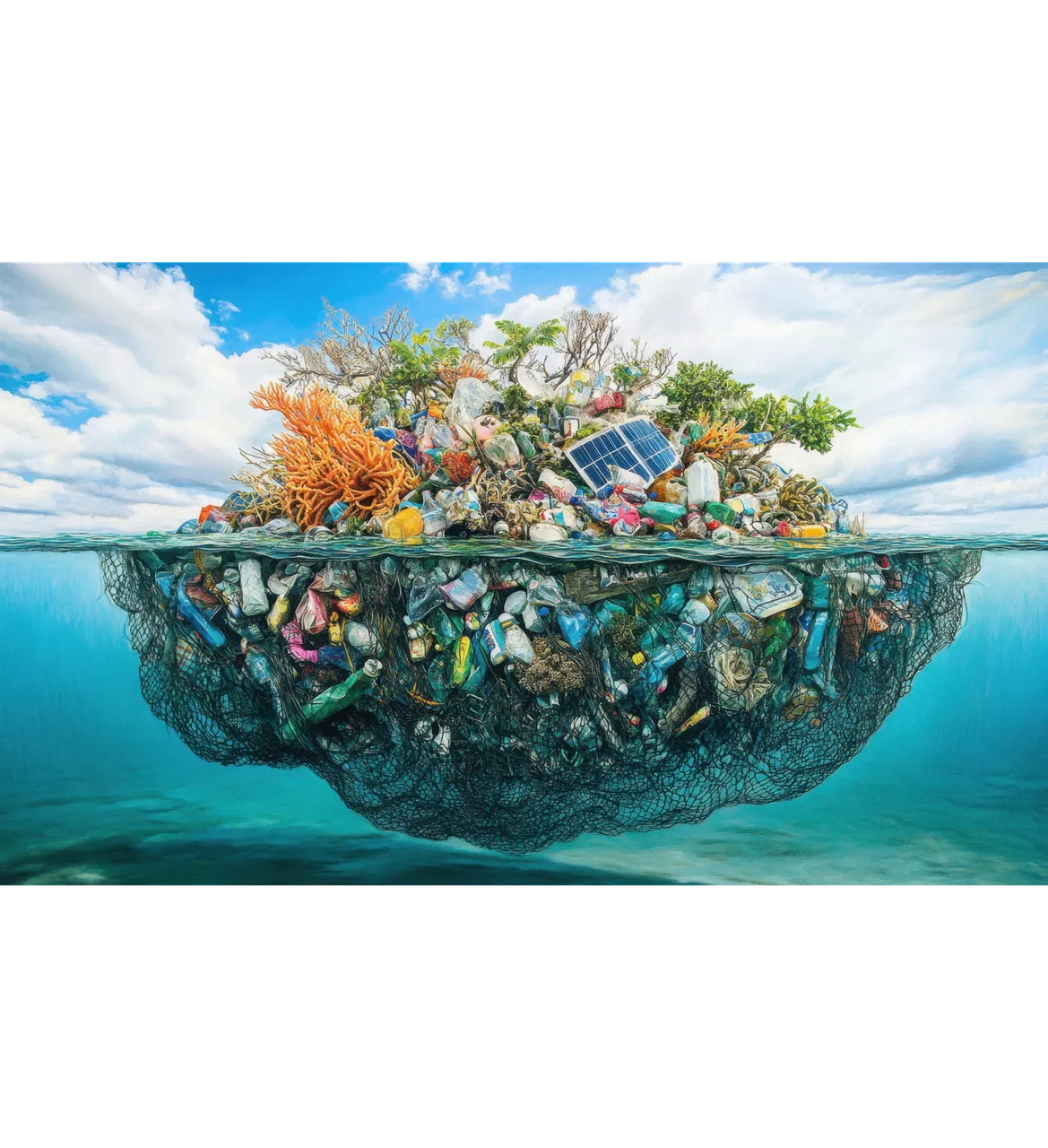
Most people don’t think twice about laundry. But every load of conventional laundry carries real, measurable environmental costs — from water and energy use to microplastic pollution. Understanding these hidden impacts helps us make smarter, greener choices that benefit both our homes and the planet.
1. Massive Water Consumption
A typical household washing machine uses around 50 liters of water per load — and the average family can do laundry several times each week. That adds up: millions of liters of freshwater are consumed daily just from laundry routines worldwide. This heavy water demand strains freshwater resources, especially in water‑stressed regions.
2. Energy Use and Carbon Emissions
Conventional laundry is energy‑intensive. Hot water cycles — often used by default — are the biggest contributor to laundry’s carbon footprint. Heating water and running dryers increases electricity consumption, which, depending on the energy mix of your grid, results in significant greenhouse gas emissions. Even with cleaner grids, the “in‑use” phase of laundry remains the largest contributor to overall environmental impact for detergents and washing systems.
A life‑cycle assessment published by De Gruyter Brill found that for laundry detergents, the in‑use phase — dominated by energy used to heat water — accounts for around 61 % of the total carbon footprint of laundry detergent products, even when future shifts to greener energy are considered. This highlights how energy consumption during washing drives most of the environmental impact, underscoring the importance of behaviour changes like lower wash temperatures and energy‑efficient cycles.
(Source: Lowering the environmental impact of dishwashing and laun...)
3. Microplastics: A Vast Underestimated Source of Pollution
Most synthetic textiles — polyester, nylon, acrylic — shed tiny plastic fibers during washing. These microscopic particles are a major driver of marine pollution:
- Synthetic microfibers account for up to 35% of all primary microplastics found in the oceans. (Source: The environmental impact of laundry: Stats and solutions )
- Globally, an estimated 5.7 million tonnes of microplastic fibers are released into the environment from laundry every year, with machine washing responsible for the vast majority.
- In fact, a single wash load can release hundreds of thousands of these fibers into wastewater, where even advanced treatment plants cannot capture them all.
These tiny particles don’t biodegrade easily and accumulate in aquatic ecosystems. They’ve been found in marine organisms around the world, raising concerns about long‑term effects on wildlife and human health.
4. Chemical Pollution from Detergents
Next, many conventional detergents contain phosphates, surfactants, and other compounds that don’t break down easily. When wastewater carrying these chemicals enters rivers and lakes, it can:
- Disrupt aquatic ecosystems
- Contribute to algal blooms that deplete oxygen
- Harm fish and invertebrates
This “invisible” pollution can persist long after the suds disappear from your wash.
5. Faster Fabric Wear and Waste
Poor washing decisions — like over‑washing, hot water use, or aggressive cycles — accelerate fabric wear. Clothes wear out faster, leading to more frequent replacement and higher textile waste at landfills.
“Conventional laundry may seem harmless, but every choice we make — from the cycle we select to the detergents we use — has consequences for our planet,” said Taha, Co‑Founder of EcoSpins.
How to Reduce Your Laundry’s Hidden Environmental Cost
You don’t need to overhaul your whole lifestyle to make a difference. These practical choices can immediately reduce impact:
- Wash full loads to use water and energy more efficiently.
- Choose cold water cycles — they clean effectively with much less energy.
- Use biodegradable, low‑toxicity detergents that are safer for waterways.
- Air‑dry clothes when possible to reduce electricity use.
- Consider sustainable laundry services like EcoSpins, which optimize water and energy use and use eco‑friendly detergents with smart logistics that reduce emissions.
Stop letting laundry drain your time — and the planet.
Every load uses water, energy, and chemicals. Each wash adds up.
Switch to EcoSpins and make it effortless and sustainable.
We handle your laundry with care, while reducing waste and energy use.
Visit www.ecospins.com to start your high-quality cleaning experience.
Take the first step toward a cleaner wardrobe and a cleaner planet.
Nationwide Delivery. 24-Hour Online Ordering. Experience EcoSpins today.
Latest Blog Posts
How Outsourced Laundry Gives You More Time for What Matters
Laundry can steal hours from your week, but outsourcing makes it effortless. Services like EcoSpins handle pickups, washing, folding, and eco-friendly care, saving time, reducing stress, and lowering your environmental footprint — so you can focus on what truly matters.
2nd January 2026
How Your Laundry Choices Impact the Planet, and What You Can Do About It
Every laundry load uses water, energy, and chemicals — and the impact adds up. This article explains how daily laundry habits affect the planet and shares practical ways to reduce waste, save resources, and choose greener options for a cleaner wardrobe and a more sustainable future.
1st January 2026
Save Water, Save Money, Save the Planet — One Load at a Time
Laundry may seem simple, but every load uses water, energy, and chemicals that impact the planet. Small changes — full loads, cold water, air-drying, and eco-friendly detergents — can save resources, protect waterways, and make each wash greener and more sustainable.
19th November 2025
Stop Killing the Planet With Your Laundry (Seriously)
Laundry may seem harmless, but every wash uses water, energy, and chemicals — and even releases microplastics. This article explains the real environmental impact of everyday laundry and shares simple ways to reduce waste, save resources, and choose greener options that protect the planet.
4th November 2025
Sustainable Laundry is Our Responsibility
Let’s be real — laundry isn’t anyone’s favorite chore. But here’s the thing: every load of laundry actually leaves a footprint on the planet. And yes, even your weekend hoodie counts.
28th October 2025

